Arizona fluorescent minerals
The first two rows are material from the Hogan Mine in Arizona. The photos to the right show the transformation of a rather ordinary looking rock under normal light to the left to its fluorescent colors using long and short wave ultraviolet lights. In the center photograph, for the first two rows, it is difficult to distinguish whether the color is the result of reflection of the light off the otherwise white surface or natural fluorescence of the fluorite in the specimen. If you look at the photo to the far right where you see blue areas there, the middle photo is a lighter blue. That is most likely natural fluorescence under long wave. The short wave light photo to the far right brings out the full color of the specimen. The red is calcite; the blue is fluorite; and the green is willemite. An added bonus of the Hogan material is that the willemite will phosphoresce for a long while after the lights are turned off. Your eyes may have to adjust to the darkness. I have timed some of my specimens for over half an hour. New Jersey willemite specimens last only a minute or so.
The second two rows are chalcedony roses from Arizona. The images to the left are a plain white. The images in the middle show a light blue reflection from the long wave light with just a little green fluorescence. The third photo is taken with a short wave light which gives a nice bright green glow along with various shades of green and blue.

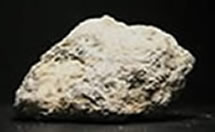
Regular lighting
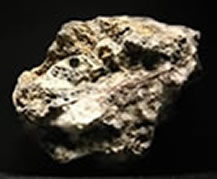
Regular lighting
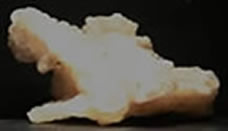
Regular lighting
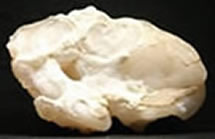
Regular lighting
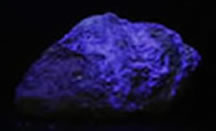
Long wave ultraviolet light
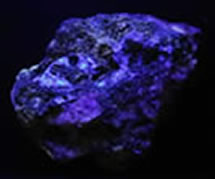
Long wave ultraviolet light
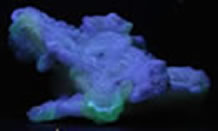
Long wave ultraviolet light
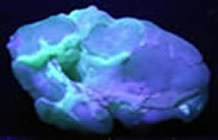
Long wave ultraviolet light
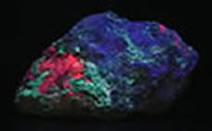
Short wave ultraviolet light
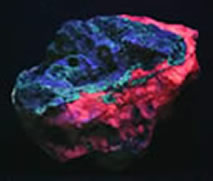
Short wave ultraviolet light
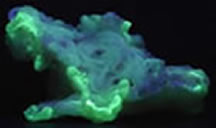
Short wave ultraviolet light
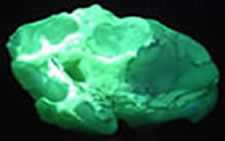
Short wave ultraviolet light